
Todas las subastas / Etnográfica / A bronze sculpture - Sao-Kotoko - Chad (No reserve price)

A bronze sculpture - Sao-Kotoko - Chad (No reserve price)
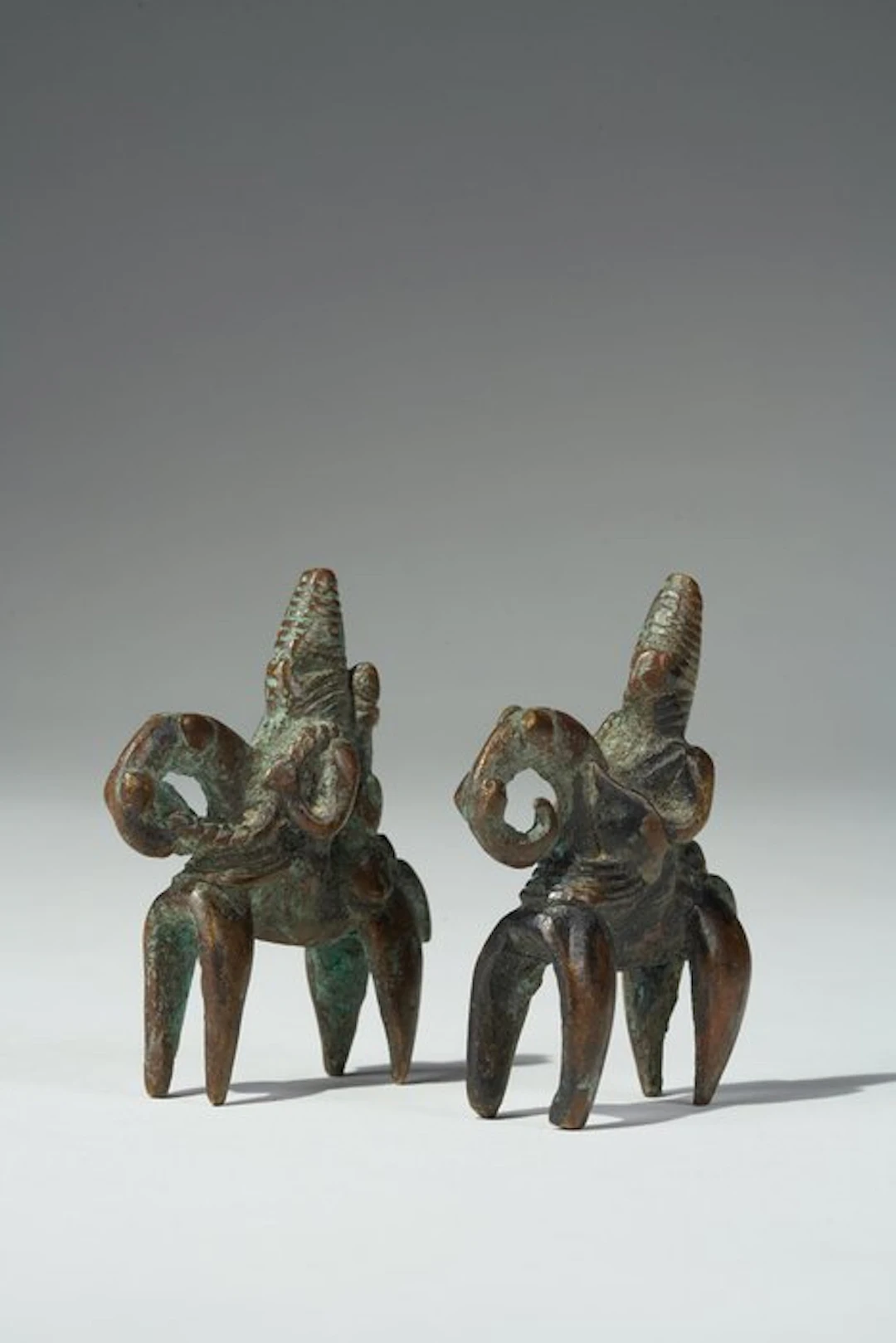
Sao-Kotoko Bronze Equestrian Figures, Lake Chad Region, Chad Sao-Kotoko, Lake Chad region, Chad Cast copper alloy (bronze) This closely related pair of small bronze sculptures represents mounted figures and belongs to the distinctive equestrian imagery associated with the Sao-Kotoko cultural sphere of the Lake Chad basin. Compact in scale but remarkably elaborate in construction, the figures combine the horse and rider into a dense sculptural unit dominated by strongly curved forms, incised ornament and tall headdresses. Each horse stands firmly on four tapering legs. The body is compact and abbreviated, while the neck curves dramatically forward and inward, terminating in a highly stylized head. This almost circular movement is one of the most striking elements of the composition, transforming the animal's neck into an open sculptural loop. The riders rise vertically from the horses and are distinguished by exceptionally tall, conical headdresses covered with horizontal incisions. Their bodies are integrated closely with their mounts, while bent arms and projecting elements create an intricate succession of volumes around the chest and head. Facial features are highly reduced, with emphasis placed instead on silhouette, headdress and ornament. Despite their close correspondence, the two sculptures are not exact duplicates. Differences in the curvature of the horses' necks, the positioning of the riders and the treatment of individual details indicate separate casting and modeling. They should therefore be understood as related individual works rather than mechanically reproduced objects. The surfaces display a particularly attractive combination of dark brown copper alloy and extensive green oxidation. Raised areas reveal warmer reddish and golden tones, while recessed passages retain stronger green deposits. This variation emphasizes the modeled and incised decoration and gives both sculptures considerable visual depth. Regional characteristics The Lake Chad basin has for centuries formed an important cultural crossroads connecting present-day Chad, northern Cameroon, northeastern Nigeria and Niger. The term “Sao” refers to archaeological and historical populations associated with this region, while the Kotoko are among the later communities who have maintained traditions linking themselves to the Sao. The two designations are therefore frequently combined in art-market and museum terminology as “Sao-Kotoko,” although they should not be treated as simply interchangeable historical identities. Small copper-alloy equestrian figures are among the best-known forms associated with Kotoko metalworking. Examples documented from Chad are generally produced by lost-wax casting, a technique allowing each wax model to be individually shaped before casting. This helps explain the numerous variations encountered among apparently related horse-and-rider figures. The horse itself carried powerful associations throughout the wider Sahel. Because ownership of horses was historically connected with military and political elites, equestrian imagery readily communicated prestige, authority and power. Yet in the specific Kotoko context, some miniature horse-and-rider figures acquired another and much more intimate function. A particularly important category is known as putchu guinadji. These small metal horsemen were used as personal protective objects and have been documented as talismans associated with protection against spirit possession and forms of mental disturbance. Some were carried on the person or kept close to the body. The interpretation traditionally recorded for these amulets is especially interesting: the horse could represent the afflicted person while the rider represented the possessing spiritual agency. The miniature equestrian group thus materialized the relationship between an individual and the force affecting that individual. It would nevertheless be premature to identify the present pair unequivocally as putchu guinadji without their dimensions and more precise field documentation. Not every Sao-Kotoko equestrian bronze necessarily had the same function, and larger bronze groups are also known. Published and auctioned Kotoko works include both individual horsemen and compositions with multiple riders. Stylistically, the present pair is particularly compelling. The exaggerated curvature of the horses' necks establishes a circular movement, while the riders and their towering headdresses introduce a contrasting vertical axis. The sculptures consequently alternate between closed and open forms: solid bodies are interrupted by the large openings formed by the curved necks and by smaller spaces between rider and mount. The tall striated headdresses are also significant visually. They greatly increase the apparent height of the riders and establish an immediate hierarchy between human and animal. Rather than attempting anatomical realism, the caster has concentrated on the elements necessary to communicate horse, rider, status and presence. The pair therefore represents an especially expressive manifestation of the equestrian tradition of the Lake Chad region. Its combination of miniature scale, sophisticated lost-wax casting, ornamental detail and powerful horse-and-rider imagery situates it convincingly within the wider Sao-Kotoko metalworking tradition. Selected Literature Massa, Gabriel. Cheval et cavalier dans l’art de l’Afrique noire. Saint-Maur-des-Fossés: Sépia, 2007. Particularly relevant for the equestrian motif and the Kotoko putchu guinadji tradition. Peroni, Pierluigi. Sao-Kotoko: Bronzes of the Chad Basin. Comparative literature on the small copper-alloy equestrian figures of the Lake Chad cultural sphere. Lebeuf, Jean-Paul. Archéologie tchadienne: les Sao du Cameroun et du Tchad. Paris: Hermann, 1962. Fundamental archaeological background for the Sao traditions of the Lake Chad basin. Lebeuf, Annie M. M. Les principautés Kotoko: essai sur le caractère sacré de l’autorité. Paris: Éditions du CNRS, 1969. Important ethnographic background for Kotoko society and the historical Lake Chad cultural environment. Some of the information and photos are generated by artificial intelligence and is based on published sources from the fields of ethnography, archaeology, and art history documents. All information and photos are protected by copyright. Inv. No. MAZ30602 Informant: Amadou Dogo Height: 7 cm / 7 cm Weight: 90 g / 100 g
Estimación:€150
Ir a la subastaVer todos los artículos deCatawikioEtnográfica
Estimación:
€150
Artículos similares

Resultados de subastas para artículos similares
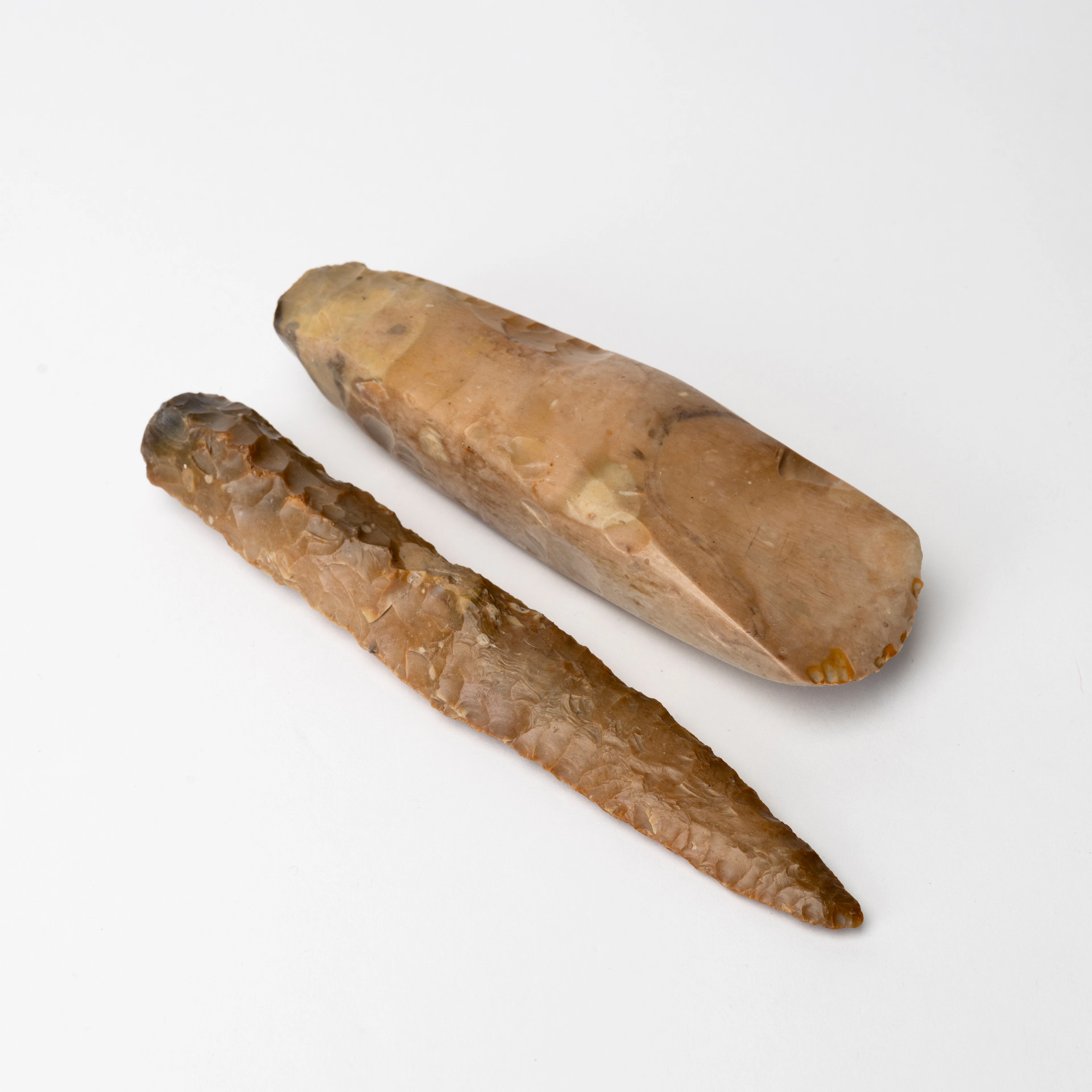
FLINTYXA samt FLINTDOLK, sannolikt yngre stenåldern, neolitikum.
10/08/2026
€326.32
Est.: €178.57
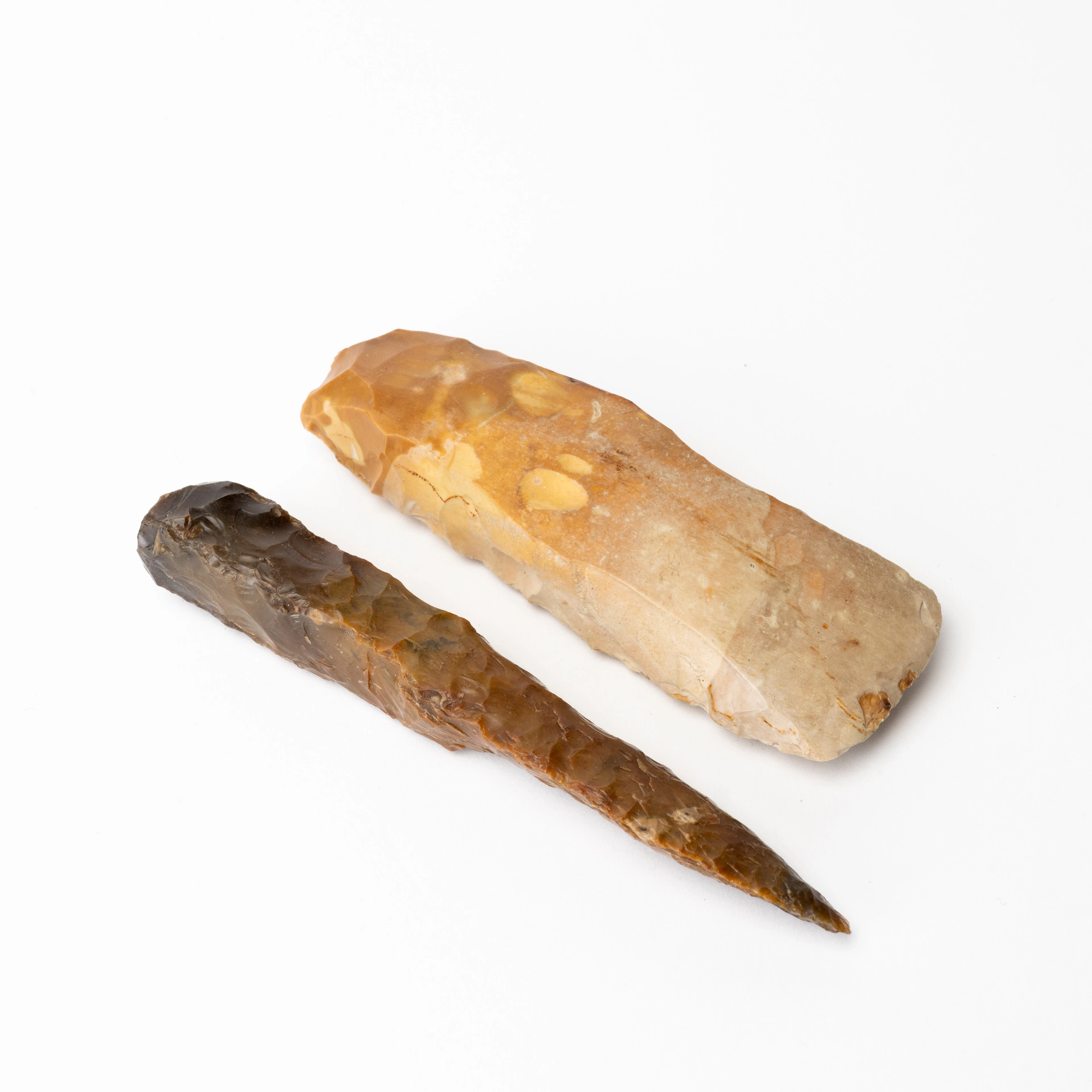
FLINTYXA samt FLINTDOLK, sannolikt yngre stenåldern, neolitikum.
10/08/2026
€129.51
Est.: €142.86

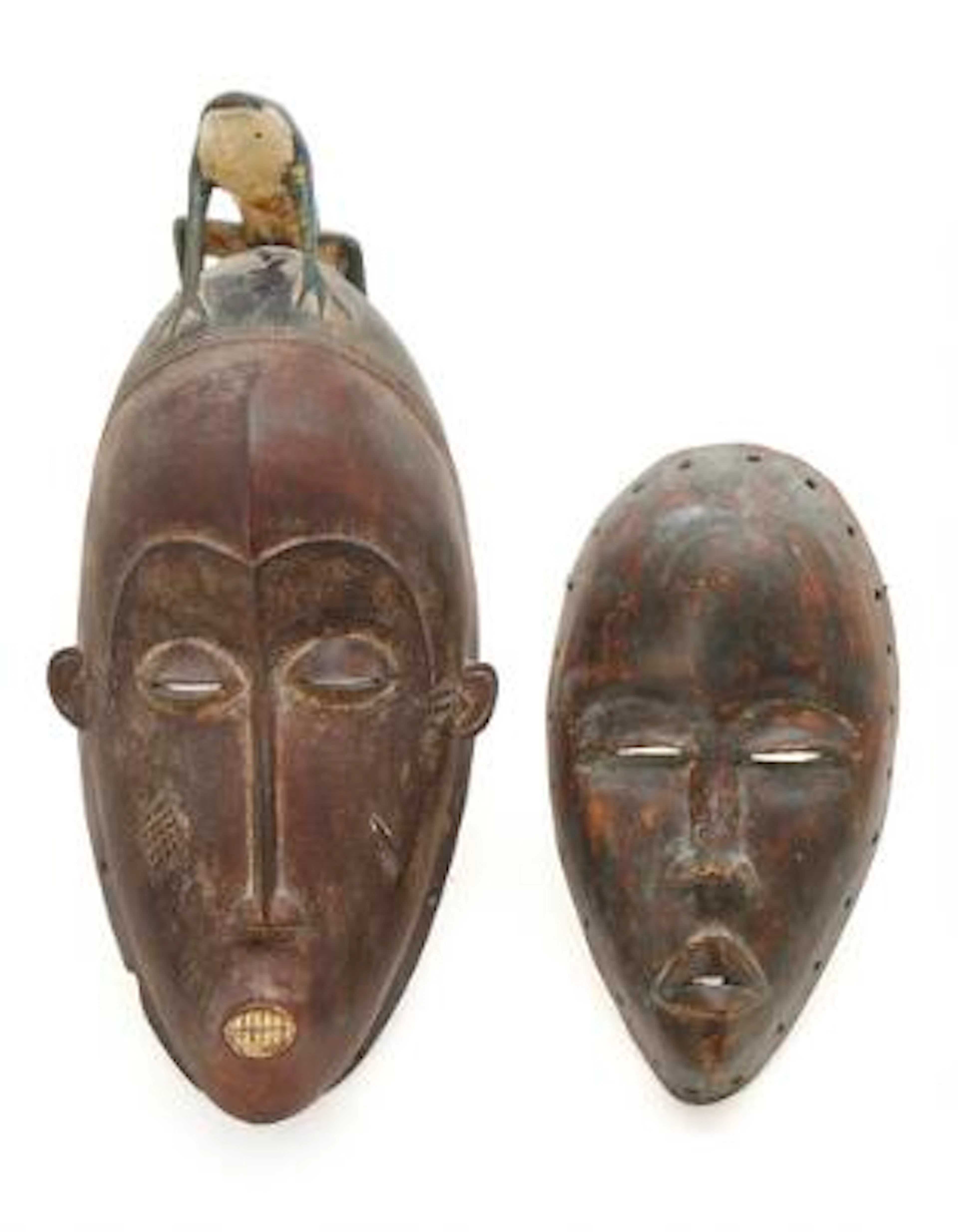
Two masks of carved patinated wood. Baoule and Dan style. H. 41 cm.
10/08/2026

€1,070.04
Est.: €535.08
¡Lleva tu subasta a coleccionistas de todo el mundo!
Publica ahora